
Stop chasing leads everywhere else. Your next big client is probably scrolling LinkedIn right now.
Let’s be honest for a second.
Finding quality B2B leads feels like searching for a needle in a haystack. You’ve been there – spending hours on cold calls that go nowhere, sending countless emails that get ignored, and attending networking events where you collect business cards that never turn into business.
Your sales team is hungry for fresh prospects. But traditional methods? They’re draining your budget and eating up precious time you don’t have.
Here’s the game-changer you’ve been waiting for:
89% of B2B marketers use LinkedIn for lead generation – and they’re seeing real results. This isn’t just another social platform. We’re talking about over 575 million business professionals hanging out in one place, including 2.8 million decision-makers who can actually approve your deals.
Think about that for a moment. The people you need to reach aren’t hiding. They’re right there on LinkedIn, sharing updates, engaging with content, and yes – looking for solutions like yours.
LinkedIn’s targeting tools help you reach the exact people who need your products or services. No more spray-and-pray marketing. No more wasted ad spend on people who’ll never buy from you.
Ready to turn LinkedIn into your lead generation machine?
This guide shows you exactly how to maximize lead generation with LinkedIn through proven strategies that actually work. You’ll learn to optimize your profile so prospects want to connect, use Sales Navigator like a pro, create content that attracts the right people, and run ad campaigns that deliver results.
We’ll also cover outreach tactics that get responses (not eye rolls) and show you how to measure your success with LinkedIn analytics.
Let’s dive in.

Spoiler alert: It’s not even close.
Let’s cut through the noise and talk facts.
While your competitors are still posting cat videos on Facebook, smart B2B marketers have moved to where the money actually hangs out. LinkedIn isn’t just another social network – it’s the world’s largest professional database where business decisions are made.
The numbers tell the whole story:
LinkedIn dominates B2B marketing because 89% of B2B marketers use it for lead generation. The platform houses over 575 million professionals, including 2.8 million decision-makers and 260,000 C-suite executives.
These aren’t random people scrolling for entertainment. These are professionals actively engaging with business content, looking for solutions, and making purchasing decisions.
Here’s what really matters for your bottom line:
The platform generates leads 277% more effectively than Facebook and Twitter, according to HubSpot data. Let that sink in for a moment.
LinkedIn’s cost per lead runs 28% lower than Google AdWords, making it a smart choice for marketing budgets that actually need to show ROI. About 62% of marketers report that LinkedIn generates leads, outperforming other social media platforms by over two times.
"LinkedIn is not just a social network; it's the world's largest professional database where business decisions are made."
The bottom line? While other platforms fight for attention with entertainment, LinkedIn users come to work. They’re in business mode, thinking about solutions, and ready to engage with companies that can help them succeed.
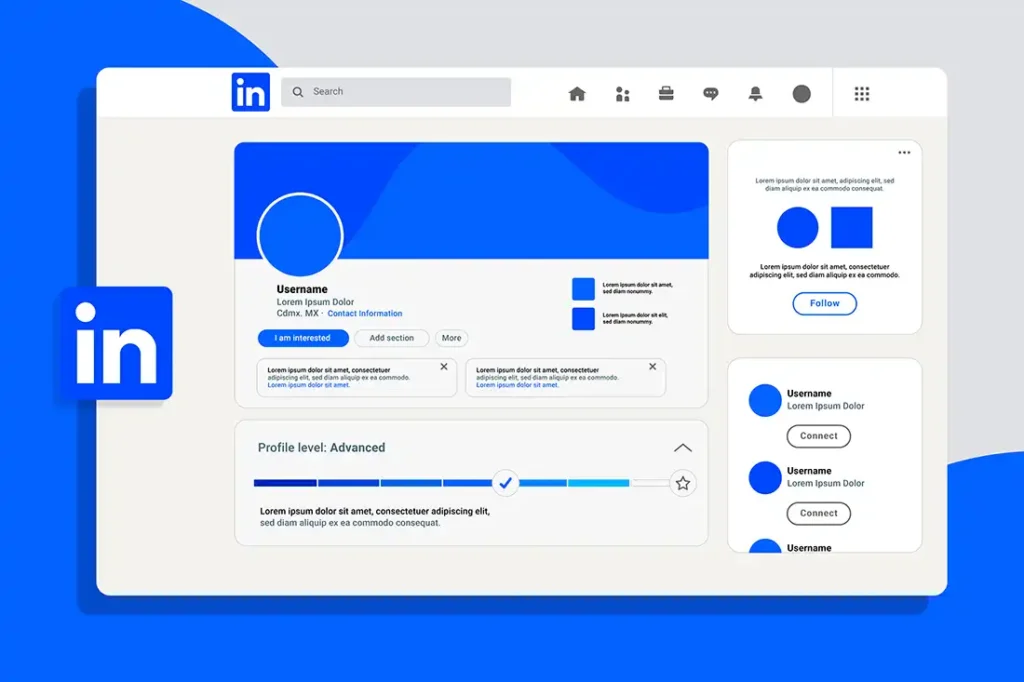
Think of it as your 24/7 digital salesperson.
Your LinkedIn profile acts as your digital business card, making first impressions that determine whether prospects connect with you or scroll past. A well-crafted profile transforms casual browsers into qualified leads, setting the foundation for successful B2B relationships that drive revenue growth.
But here’s the thing – most profiles are boring, generic, and forgettable.
Don’t be most profiles.
Your headline has one job: grab attention in seconds and make people want to know more.
LinkedIn headlines are critical for B2B lead generation success. A strong headline tells prospects exactly what you do and how you help them.
Skip the boring stuff like:
Instead, craft headlines that highlight your value proposition and target specific pain points:
✅ “I Help SaaS Companies Increase Revenue by 40% Through Data-Driven Sales Strategies”
✅ “Procurement Specialist | Reducing Supply Chain Costs for Manufacturing Companies | $2M+ Saved for Clients”
Here’s the secret sauce: Headlines with numbers perform 73% better than vague statements. Include your ideal customer profile, key benefits, and measurable outcomes.
Since LinkedIn shows headlines in search results, connection requests, and profile views, every word counts. Test different versions and track which headlines generate more profile visits, connection requests, and qualified leads for your business.
Pro tip: Your headline shows up everywhere on LinkedIn. Make it count.
Your LinkedIn summary acts as your digital elevator pitch, capturing attention within seconds. This section appears right below your headline, making it prime real estate for converting profile visitors into potential customers.
Think of it as your best sales conversation condensed into readable chunks.
Start strong. Open with a statement that highlights your unique value proposition. Don’t waste time with fluff like “I’m passionate about helping businesses grow.” Everyone says that.
Include specific metrics and achievements that demonstrate your expertise:
Since 75% of buyers say thought leadership influences their vendor shortlist, position yourself as an industry expert who provides valuable insights.
End with a clear call-to-action that guides readers toward your desired next step, whether that’s connecting, visiting your website, or scheduling a consultation.
Your summary should answer three questions:
Answer these clearly, and you’ll turn profile visitors into conversations.
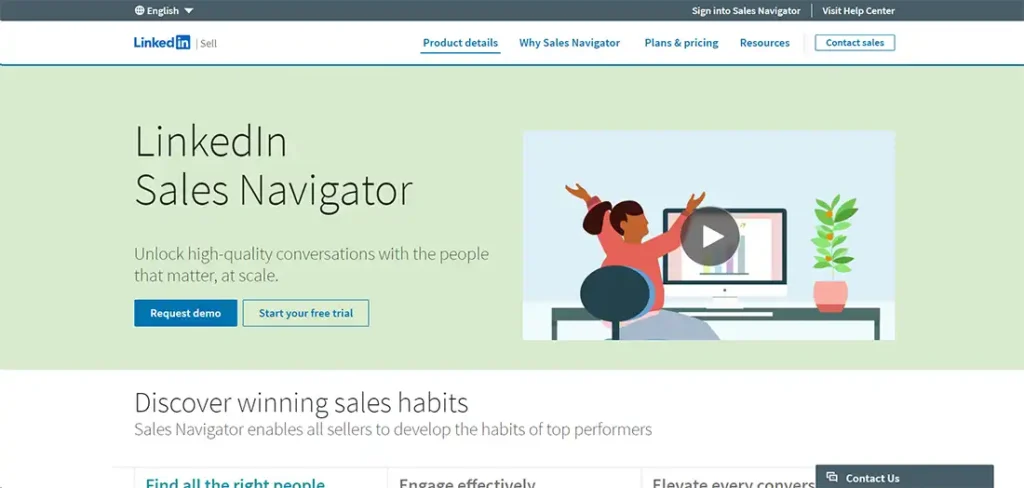
These tools do the heavy lifting while you focus on closing deals.
LinkedIn offers powerful tools that can transform your lead generation efforts from manual to systematic. Sales Navigator helps you find the right prospects with laser precision, while LinkedIn Lead Gen Forms make it easy to capture quality leads directly from your ads.
Let’s explore how to use these features like a pro.
Sales Navigator transforms your LinkedIn lead generation efforts by providing advanced search filters and detailed prospect insights.
Think of it as having a personal research assistant that never sleeps.
This tool helps you identify decision-makers by:
You can save leads directly to your CRM system and track engagement patterns across your sales funnel.
"Collaboration between marketing and sales teams, along with tools like Sales Navigator, ensures a holistic pipeline view."
The game-changing features:
The platform’s lead recommendations engine suggests qualified prospects based on your ideal customer profile. No more guessing who to reach out to next.
Sales Navigator’s InMail credits let you reach prospects outside your network, while its real-time alerts notify you about job changes and company updates. Perfect timing for your outreach.
These features help generate quality leads and maintain consistent outreach strategies that convert warm leads into clients.
Bottom line: Sales Navigator turns LinkedIn into a precision lead generation machine instead of a random networking tool.
LinkedIn Lead Gen Forms ads simplify lead generation by pre-filling user information automatically.
Here’s why they’re game-changers: These forms boost conversion rates by 2-3 times compared to standard ads, making them perfect for B2B businesses seeking qualified sales leads.
What makes them so effective?
The pre-filled data includes names, email addresses, job titles, and company information from users’ LinkedIn profiles. This eliminates friction in the conversion process and creates a smoother experience for prospects.
No more asking people to fill out long forms. No more losing leads because your form was too complicated.
Real results from real companies:
Bynder achieved remarkable results using Lead Gen Forms, generating a 400% lead increase with a 20% conversion rate. That’s not a typo – 400% increase.
Campaign Manager makes setting up these ads straightforward, allowing you to target the right audience based on firmographics and job functions.
The platform reported that 90% of pilot customers using Lead Gen Forms beat their cost-per-lead goals. These forms work across sponsored content and message ads, giving you flexibility in your LinkedIn marketing approach.
The setup is simple, but the results are powerful.

Stop creating content that gets ignored. Start creating content that generates leads.
Content marketing drives LinkedIn lead generation success, but you need the right posts to attract prospects. LinkedIn Groups offer direct access to your target audience, while valuable content builds trust and generates qualified leads.
Let’s talk about content that actually works.
Thought leadership content influences vendor selection and brand awareness across B2B markets. But here’s the catch – most people post random thoughts and expect business results.
That’s not how this works.
Here’s your content strategy that actually generates leads:
that solve specific problems your prospects face daily. Position your brand as a trusted expert in your field.
from your solutions. Include exact numbers and percentages to build credibility with potential clients.
addressing common pain points in your industry, then promote them through sponsored content to generate leads.
that help your audience improve their business processes, keeping your brand visible in their LinkedIn feed.
about your company culture and team expertise to build personal connections.
in your network, increasing engagement and helping you find qualified leads through comments.
explaining complex topics in simple terms. Videos get 5 times more engagement than text posts on LinkedIn.
with your expert commentary, demonstrating your knowledge while staying top-of-mind with prospects.
with specific metrics, showing how your solutions helped other businesses close deals and grow revenue.
Remember: Every piece of content should either educate, inspire, or solve a problem for your target audience.
Content sharing builds your brand, but LinkedIn Groups offer direct access to your target prospects.
Groups create focused communities where decision-makers gather to discuss industry challenges and solutions. It’s like having access to exclusive networking events that happen 24/7.
Here’s your LinkedIn Groups strategy:
Search for groups where your ideal customers spend time discussing business challenges and industry trends.
Join 5-10 active groups that align with your target market and maintain consistent engagement levels.
Share valuable insights and answer questions without promoting your services directly to build trust.
Comment thoughtfully on posts from potential prospects to start meaningful conversations.
Send connection requests to group members after engaging with their content for 2-3 interactions.
to identify prospects who express pain points your solution addresses.
Create polls or discussion topics that encourage prospects to share their challenges and contact information.
Export profile data from engaged group members to build targeted outreach lists for future campaigns.
Use automation tools to track group member activity and identify the most active prospects.
The goal isn’t to spam groups with promotional content. It’s to build relationships with people who need your solutions.

The difference between success and failure comes down to how you reach out.
Building real connections on LinkedIn starts with smart outreach tactics that cut through the noise. Your engagement approach can make or break your LinkedIn lead generation strategy, turning cold prospects into warm conversations that drive actual business results.
Most people get this completely wrong. Don’t be most people.
Generic connection requests are the fastest way to get ignored on LinkedIn.
Personalized connection requests generate 3x higher response rates than generic messages. LinkedIn’s 575 million professionals, including 260,000 C-suite executives, respond better to targeted outreach that shows genuine interest.
Here’s your connection request playbook:
Research prospects' recent posts, company news, and shared connections before sending requests to create relevant conversation starters.
Mention specific details from their profile like recent achievements, mutual connections, or industry insights to demonstrate authentic interest.
Keep connection messages under 200 characters since LinkedIn limits request notes, focusing on one clear value proposition.
Reference shared LinkedIn Groups, events, or industry publications to establish common ground and build instant rapport.
Avoid sales pitches in initial requests. Focus on building professional relationships and offering valuable industry insights.
Send requests during business hours on Tuesday through Thursday when decision-makers are most active on the platform.
Use LinkedIn Sales Navigator to identify warm leads through mutual connections, making your outreach more credible and effective.
Personalize requests based on recent company announcements, job changes, or industry trends to show you stay current with their business.
Include a clear reason for connecting that benefits both parties, such as sharing industry reports or discussing market trends.
Remember: The goal is to start a conversation, not close a deal in the first message.
After securing new connections, your next step determines whether those leads turn into actual business opportunities.
Follow-up messages separate successful LinkedIn lead generation from wasted connections.
Here’s your follow-up strategy that works:
Send your first follow-up message within 24-48 hours after connecting to maintain momentum and show genuine interest.
Reference specific details from their LinkedIn profile, recent posts, or company news to demonstrate you researched them before reaching out.
Offer value in every message by sharing relevant industry insights, useful resources, or solutions that address their potential business challenges.
Keep messages under 100 words since busy professionals prefer concise communication that gets straight to the point.
Ask one specific question related to their business goals or current projects to encourage engagement and start meaningful conversations.
Space your follow-up messages 5-7 days apart to avoid appearing pushy while staying visible in their LinkedIn inbox.
Use LinkedIn Sales Navigator to track when prospects view your profile or engage with your content, then time your follow-up accordingly.
Create message templates for different scenarios but customize each one with personal details to maintain authenticity.
Include a clear call-to-action in your third message, such as scheduling a 15-minute call or connecting via video conference.
The key is consistency without being annoying. Value without being pushy. Personal without being creepy.

Data doesn’t lie. Feelings do.
LinkedIn’s built-in analytics show you which campaigns bring in the most leads per month, helping you spot what works best. Smart marketers track their return on investment closely, then adjust their outreach strategy based on real data from their lead generation forms.
Let’s talk about the metrics that actually matter for your business.
Performance tracking transforms B2B campaigns from guesswork into data-driven success stories.
Here’s your complete analytics dashboard:
| Metric Category | Key Performance Indicators | Measurement Tools | Action Steps |
|---|---|---|---|
| Engagement Metrics | Click-through rates, impression counts, social shares | Campaign Manager dashboard | Monitor daily activity spikes, adjust content timing |
| Lead Quality | Conversion rates, lead scores, qualification percentages | CRM integration tools | Filter high-value prospects, refine targeting parameters |
| Cost Analysis | Cost per lead, return on ad spend, budget allocation | Conversion Tracking system | Optimize bid strategies, reallocate underperforming budgets |
| Audience Insights | Demographics, job titles, company sizes, geographic data | Audience connection tools | Create lookalike audiences, expand successful segments |
| Content Performance | Post engagement, video completion rates, download counts | Content analytics dashboard | Replicate top-performing formats, eliminate weak content |
| Pipeline Tracking | Sales velocity, deal progression, revenue attribution | Sales Navigator reports | Identify bottlenecks, accelerate conversion processes |
Your measurement routine:
Campaign success depends on consistent measurement cycles. Check performance weekly to catch trends early. Export data monthly for deeper analysis. Compare results against industry benchmarks to gauge competitive positioning.
Set up automated alerts for significant metric changes. Track lead source attribution to identify top-performing campaigns. Use A/B testing data to refine messaging approaches.
The most important metric: Revenue attribution connects marketing efforts to actual sales outcomes. Tag campaigns properly to trace customer journeys from first contact to closed deals. Document winning strategies for future campaign development.
Data insights transform LinkedIn lead generation campaigns from guesswork into precise science.
LinkedIn marketing solutions provide detailed analytics that reveal which ads generate the highest conversion rates, which sponsored messages drive engagement, and which lead form designs capture more qualified prospects.
Your optimization playbook:
A/B test everything. Test ad creatives for improved results by comparing different headlines, images, and call-to-action buttons across your campaigns. Run 3-4 ads simultaneously and assess performance metrics like click-through rates, cost per lead, and lead quality scores.
Let numbers guide decisions. Smart marketers adjust their LinkedIn outreach tactics based on concrete numbers rather than assumptions. Sales qualified leads increase by 40% when businesses analyze response rates from different message templates and connection request approaches.
Find what resonates. LinkedIn analytics help identify which content types resonate with your target audience through engagement metrics and lead generation insights emerge from studying successful campaign patterns.
Weekly optimization routine. Export LinkedIn campaign data weekly to track trends, identify top-performing audience segments, and optimize your advertising spend for maximum return on investment.
The goal isn’t perfect data – it’s better decisions based on real performance insights.
LinkedIn offers powerful tools for B2B lead generation, from Sales Navigator to Lead Gen Forms that cut costs by 28% compared to Google AdWords.
Your profile optimization, content strategy, and personalized outreach create a foundation for connecting with 575 million professionals, including 260,000 C-suite executives.
The proof is in the numbers:
These LinkedIn lead generation strategies work because 89% of B2B marketers already use this platform to find quality prospects and build relationships. Track your campaign performance with LinkedIn analytics, refine your approach based on data insights, and watch your conversion rates improve month after month.
Your next step is simple: Start implementing these best practices today. Your next big client might be just one connection request away.
Stop wasting time on platforms where your prospects aren’t hanging out. Start where they are – on LinkedIn, ready to engage with solutions that solve their problems.
The tools are there. The prospects are there. The only question is: Are you ready to put in the work?

Focus on LinkedIn ads, join LinkedIn events, and connect with your target audience through direct outreach. Business-to-business companies see the best results when they combine organic posting with paid campaigns.
The key is consistency and value. Don’t just post once and expect results. Build a sustainable content and outreach strategy.
Post valuable content regularly, engage with prospects’ posts, and use LinkedIn’s search engine to find ideal customers. A LinkedIn lead generation agency can help streamline these processes if you lack internal resources.
Remember: Quality beats quantity every time. Better to have 10 highly engaged prospects than 100 who ignore you.
Both work well together. LinkedIn ads give you faster results and precise targeting, while organic methods build long-term relationships and cost less.
Start with organic to understand your audience, then scale with paid ads once you know what works.
LinkedIn dominates business-to-business lead generation because professionals actively use it for networking. Instagram and other Meta Platforms work better for consumer brands, not B2B companies.
It’s not even close. For B2B, LinkedIn is where the decision-makers are actively looking for solutions.
Strong alignment between sales and marketing teams ensures smooth lead handoffs and better conversion rates. Use customer relationship management systems to track LinkedIn leads from first contact through closing, and consider pay-per-click campaigns to support your overall social media marketing efforts.
When sales and marketing work together on LinkedIn, magic happens. Leads get nurtured properly and conversion rates skyrocket.